A one-woman bakery in Leeds with 3,000 Instagram followers can sell out a Saturday cake drop by Thursday night, without spending a cent on ads. A B2B software company with 40,000 LinkedIn followers can post daily for a year and get nothing from it. Both are true, both happen constantly, and any list of “benefits” that doesn’t explain the difference is padding.
So this one is ranked. The first few benefits are why social media is worth doing at all. The last few are real but minor, and you’ll find them on every other list dressed up as if they were the main event.
1. It’s the cheapest way to get in front of people who don’t know you exist
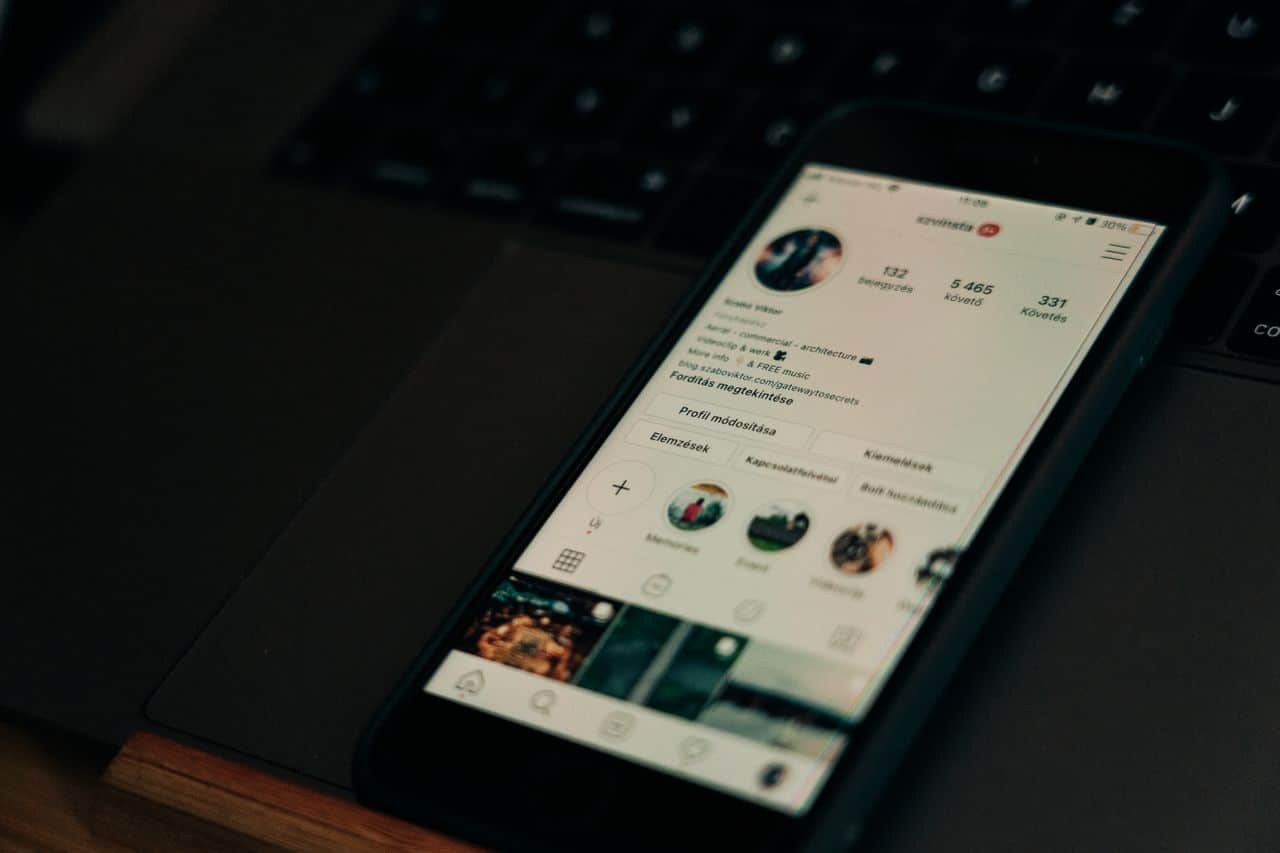
Print, radio, and billboards are expensive and untargetable. Google only shows you to people who are already searching. Social media is the one channel where a business nobody has heard of can be seen, for free, by someone scrolling on the bus who had no intention of finding them.
That discovery function is the core benefit. Everything else on this list is downstream of it. Instagram and TikTok in particular are now used the way people used to use magazines and window shopping: to find things they didn’t know they wanted.
It’s worth being clear-eyed about the cost side. Organic reach on Facebook is low single digits and falling. But “cheap” is still accurate compared to any other channel that puts you in front of strangers, and the disadvantages of social media marketing are manageable if you know they’re coming.
2. The ad targeting is better than anything else a small budget can buy
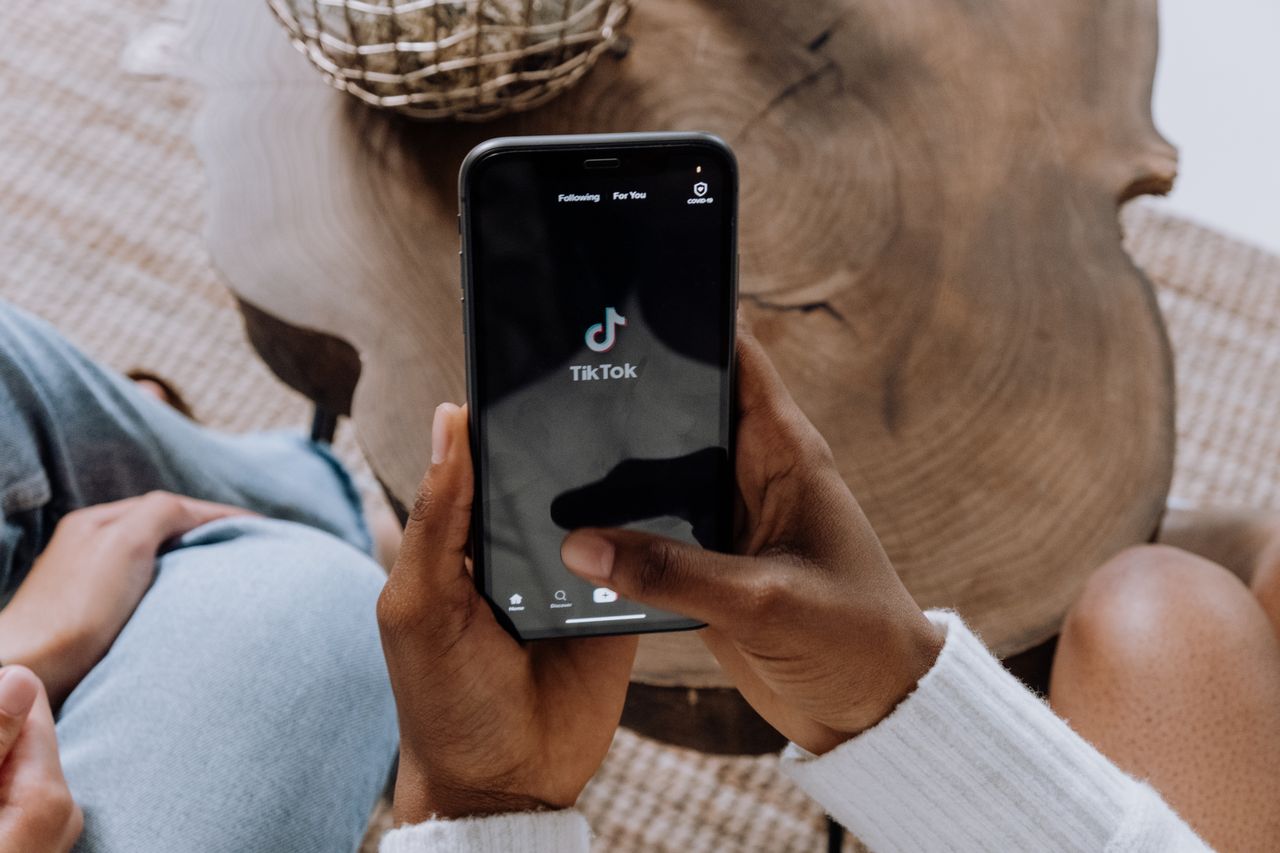
You can show an ad to people within 15 km of your shop who have visited your website in the last 30 days but haven’t bought, for a daily budget that wouldn’t cover lunch. No other advertising medium in history has offered that to a business with $300 to spend.
Retargeting alone justifies having a presence. Someone who visited your pricing page and left is worth ten cold prospects, and social ads are the cheapest way to reach that person again. If you’re new to running paid campaigns, we wrote a guide on how to advertise your business on social media that covers budgets, targeting, and the mistakes to skip.
3. It’s where customers go to check you’re real
Before someone books a plumber, hires a consultant, or orders from an unfamiliar shop, they look you up. A dead Instagram account with three posts from 2022 makes them nervous. A profile with recent posts, replies to comments, and photos of actual work makes them relax.
This is a benefit even if you never get a single lead from the platform directly. Your social profiles are a trust signal that sits next to your Google reviews and your website, and people check all three.
4. Direct conversations with customers, in public
Nobody writes to a company’s email address to say they love the product. They do post about it on Instagram. And when someone has a problem, they’d rather DM you than sit in a phone queue.
The public part cuts both ways. Handled well, a complaint answered quickly and fairly in the comments is worth more than a five-star review, because everyone can see you’re the kind of business that shows up. Handled badly, or ignored, it compounds. The expectation is a response within a few hours during business days. If nobody on your team can do that, don’t open the DMs.
5. You find out what people actually think
Not what they say in a survey. What they say to each other. Comments, replies, and the posts people make about your industry tell you what confuses them, what they wish existed, and which competitor they’re annoyed with this month.
A landscaping company reading local Facebook groups will learn more about what homeowners want in a week than from a year of guessing. Most of this intelligence is free and sitting in plain view. Almost nobody uses it.
6. Traffic to your website that you control
Every post can carry a link. Every profile has a bio link. Done consistently, social sends a steady trickle of visitors to your site, and once they’re there, you can collect emails, retarget them, and sell to them without a platform in between.
This is the underrated part: social media is most valuable as a feeder for things you own. A follower is rented. An email address is yours. A visitor who read three pages of your site is worth more than fifty likes.
7. Leads, especially through native lead forms
Meta and LinkedIn both offer lead ads that let someone submit their details without leaving the app, pre-filled from their profile. Completion rates are dramatically higher than sending people to a form on your site. For service businesses (solar installers, accountants, clinics, agencies) this is often the single highest-ROI thing they run.
The catch is lead quality. Frictionless forms attract tire-kickers. Add a qualifying question and the volume drops but the leads get better.
8. Direct sales, for the right kind of product
Instagram Shopping, TikTok Shop, Facebook Marketplace, Pinterest product pins. If you sell something visual under about $100, people will buy it without ever visiting your website. Fashion, home goods, food, beauty, and hobby products all do well here.
If you sell $5,000 consulting engagements, ignore this benefit entirely. Nobody buys those from a Reel.
9. Content that does double duty
A single good post can be a LinkedIn update, an Instagram carousel, a short video, a newsletter section, and a paragraph in a blog post. Social media forces you to produce things, and the things you produce feed everything else.
Practically, this means batching. Spend one morning a week producing, then schedule it out. We compared the best free and cheapest social media schedulers because doing this manually across four platforms is the fastest way to give up.
10. Recruiting
Job seekers look at your social profiles before applying, and increasingly they find the job there in the first place. A company page that shows real people doing real work fills roles faster than a listing on a job board. LinkedIn is the obvious one, but trades businesses hire off Facebook, and creative and retail businesses hire off Instagram.
11. Staying in front of existing customers between purchases
Someone who bought from you eight months ago has probably forgotten you exist. A post in their feed once a week fixes that at essentially zero cost. Email does this job better, but social does it for the customers who never gave you their email.
12. Watching competitors
Their new products, their promotions, their pricing changes, and, most usefully, the complaints in their comments. If three people in a week say a competitor’s delivery is slow, you have a headline for your next ad.
13. Partnerships and influencer reach
Small, local, or niche creators with 5,000 to 30,000 followers are affordable, often just a free product, and their audience trusts them in a way they’ll never trust your brand account. The big influencer market is expensive and unreliable. The small one is where the value is.
14. Reputation control
When something goes wrong, your social accounts are where you tell your side. If you don’t have them, other people will tell it for you. This benefit is worth nothing 99% of the time and worth a great deal on the day you need it.
15. Data you’d otherwise pay for
Every platform hands you demographics, engagement rates, and traffic sources for free. It’s not as rich as it used to be, and the numbers are self-reported by a company that wants you to spend more, but for a small business with no research budget, it’s more than you’d otherwise have.
What the benefits list leaves out
Every one of these benefits gets weaker when social media is the only thing holding your marketing up. Reach drops when the algorithm changes. Accounts get suspended by mistake. Platforms fade. The businesses that get the most out of social media treat it as the top of a funnel, with an email list and a website that ranks in Google underneath it.
That second part is where most small businesses are weakest, and it’s the piece that keeps producing leads when you stop posting for a month. If your site isn’t showing up for the searches your customers actually type, our SEO packages are built to fix that, and organic search traffic makes a much cheaper retargeting audience than anything you can buy from Meta.
Use social for what it’s best at: being found by strangers, and being trusted by the ones who check. Then move them somewhere you own.