Remember when finding a plumber meant flipping through a phone book the size of a brick? Yeah, those days are long gone.
In 2026, directory websites are where people actually go when they need a restaurant, a mechanic, a dentist, or pretty much any local service. And if you run a business, being listed on the right ones can seriously move the needle for your visibility.
So let’s cut to the chase. Here are the 10 best directory websites in 2026, with the good and the bad for each one. And hey, if this list gets you thinking “I could build one of these myself,” you totally can. Check out this guide on how to create a directory website with wordpress and you’ll see it’s way more doable than you’d think.
1. Google Business Profile
Let’s be honest, this is the king. When someone searches for “coffee shop near me,” the map pack that pops up is powered by Google Business Profile. If you’re only going to be on one directory, make it this one.
Advantages: It’s completely free, it feeds directly into Google Search and Google Maps, and it gets more eyeballs than every other directory combined. Reviews, photos, hours, posts, it all lives here.
Disadvantages: Support is basically nonexistent if something goes wrong with your listing. Suspensions can happen out of nowhere, and fake reviews or spam edits from competitors are a real headache to fight.
2. Yelp
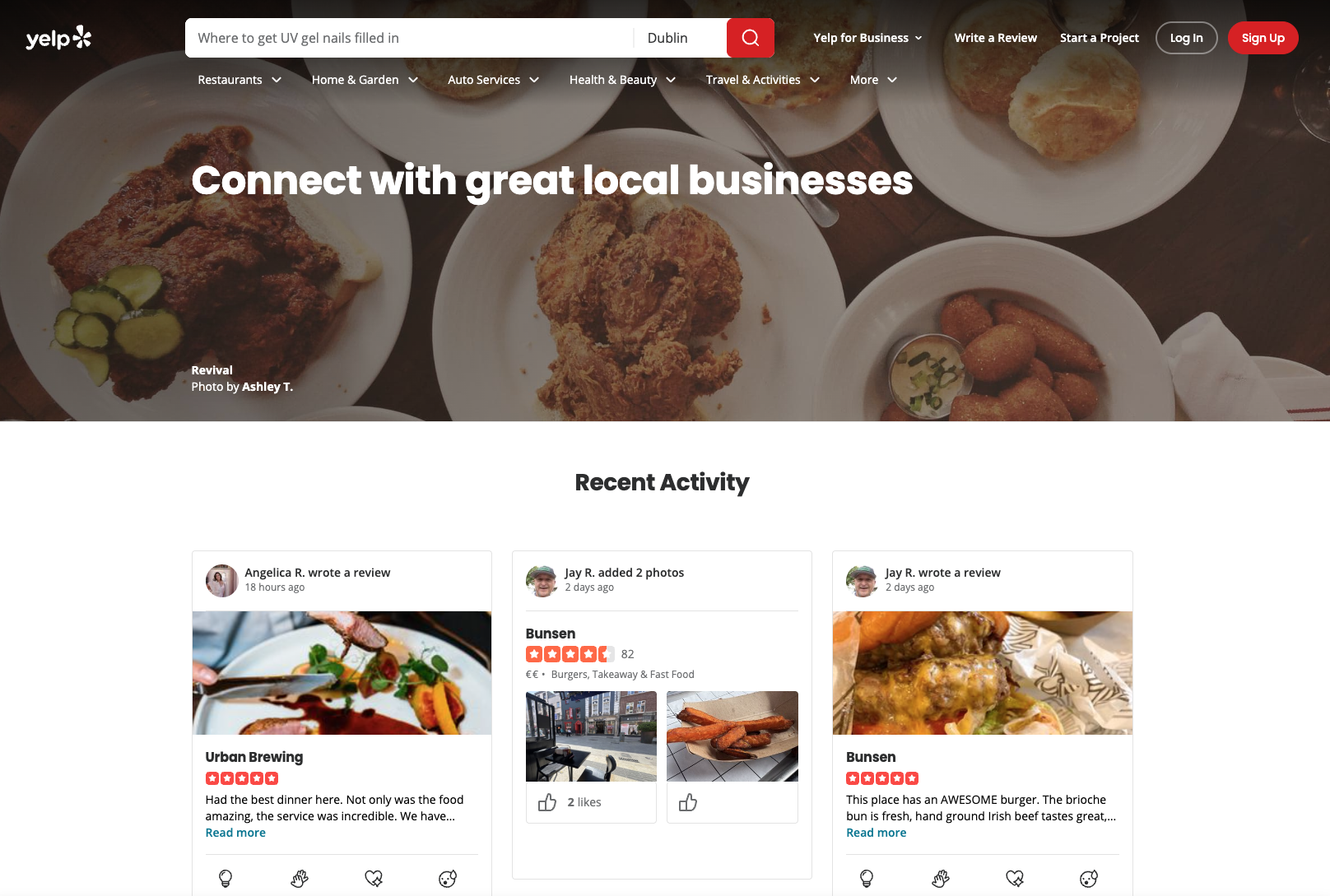
Yelp is still the go-to for restaurants, bars, and local services, especially in the US. People trust those star ratings, sometimes a little too much.
Advantages: Huge review database, strong brand recognition, and Yelp listings often rank high in Google on their own. Great for food and hospitality businesses.
Disadvantages: Business owners love to complain about Yelp’s aggressive ad sales calls. The review filter can hide legit positive reviews, which drives people up the wall. And a few bad reviews can sting hard.
3. Apple Maps (Apple Business Connect)
Quietly, Apple Maps has become a monster. Every iPhone user who taps “directions” is going through Apple’s ecosystem, and Apple Business Connect is how you claim your spot in it.
Advantages: Free to use, massive built-in audience of iPhone users, and way less crowded than Google, so standing out is easier. Siri pulls from it too.
Disadvantages: The management dashboard is more limited than Google’s. No native review system of its own (it pulls from third parties), and it’s mostly useful for businesses with a physical location.
4. Facebook Business Pages
Yes, Facebook still matters in 2026. A Facebook page acts like a directory listing, a review platform, and a communication channel all rolled into one.
Advantages: Free, familiar to literally everyone, and people can message you directly. Reviews and recommendations carry real social proof because they’re tied to actual profiles.
Disadvantages: Organic reach is basically dead unless you pay for ads. Younger audiences have moved elsewhere, and keeping a page active takes ongoing effort.
5. Bing Places
Everyone forgets about Bing, and that’s exactly why it’s worth your time. With Microsoft baking search into Windows and its AI tools, Bing gets more traffic than people give it credit for.
Advantages: Free, super low competition, and you can import your Google Business Profile in a couple of clicks. Older and professional demographics actually use Bing a lot.
Disadvantages: The traffic is a fraction of Google’s, plain and simple. The interface feels a bit dated, and updates can be slow to go live.
6. TripAdvisor
If you’re in travel, tourism, food, or anything a tourist might touch, TripAdvisor is non-negotiable. Travelers plan entire trips around it.
Advantages: Enormous global audience with high purchase intent. People on TripAdvisor are literally planning to spend money. Rankings within your city category can drive serious bookings.
Disadvantages: Useless if you’re not in a travel-adjacent niche. Review management is a constant job, and the platform pushes its own booking and ad products pretty hard.
7. Yellow Pages (YP.com)
The old dog learned some new tricks. Yellow Pages moved online ages ago and still pulls decent traffic, especially from older customers who grew up with the brand.
Advantages: Strong domain authority, so a listing here is a solid citation for your local SEO. The brand still carries trust with certain demographics.
Disadvantages: Let’s be real, it’s not where the growth is. Younger users barely know it exists, and the paid advertising options are overpriced for what you get.
8. Angi (formerly Angie’s List)
For home services, Angi is a big deal. Plumbers, electricians, roofers, landscapers, this is where homeowners go looking for them.
Advantages: High-intent leads. People on Angi aren’t browsing for fun, they need someone to fix their roof this week. Background checks and verified reviews build trust fast.
Disadvantages: Lead costs can get pricey, and you’re often competing with several other pros for the same lead. Some contractors grumble about lead quality being hit or miss.
9. Better Business Bureau (BBB)
The BBB isn’t flashy, but that accreditation badge still means something to a lot of customers, especially for bigger purchases.
Advantages: Serious trust factor. An A+ rating is a great conversion booster, and the BBB profile ranks well in searches for your business name. Handy for reputation management too.
Disadvantages: Accreditation costs money, and some folks argue the whole model is pay-to-play. It’s also more about credibility than actual traffic, so don’t expect a flood of new visitors.
10. Foursquare
Foursquare stopped being a check-in game a long time ago. Today it’s a location data powerhouse, and its database feeds tons of other apps, including Uber and Apple Maps.
Advantages: Your listing here spreads across a whole network of apps and services. It’s free to claim, and it strengthens your NAP citations for local SEO.
Disadvantages: Barely anyone uses the consumer app directly anymore, so direct traffic is minimal. The value is mostly behind the scenes, which makes it hard to measure.
Wrapping It Up
There you have it, the 10 best directory websites in 2026. If you’re a business owner, start with Google Business Profile, then work your way down this list based on your niche. Consistency is key, so keep your name, address, and phone number identical everywhere.
And if you’re more of an entrepreneur type who looked at these sites and thought “I want a piece of that action,” building your own niche directory is one of the smartest online business models around. Directories are having a real moment right now, and with the right tools you don’t need to be a coding wizard to launch one. The guide linked above walks you through the whole thing step by step.
Either way, directories aren’t going anywhere. Get listed, get found, get customers. It really is that simple.