Here’s a hard truth: if your business isn’t listed online, it basically doesn’t exist. People don’t flip through phone books anymore, they grab their phone and search.
And when they do, business directories are what pops up. Google’s map pack, Yelp reviews, Apple Maps results, all of it.

The good news? Getting listed on most of these is free and takes maybe 15 minutes per site. The better news? Every solid listing you create builds what SEO folks call a “citation,” and citations are one of the building blocks of local SEO.
More consistent citations means better rankings in local search, which means more customers finding you instead of your competitors.
So grab a coffee, because we’re going through 30+ of the best online business directories in 2026, sorted by category, with the honest pros and cons for the ones that matter most.
By the way, if you want to learn how to create a directory website yourself, then we have a guide for that.
First Things First: What Is a Business Directory?
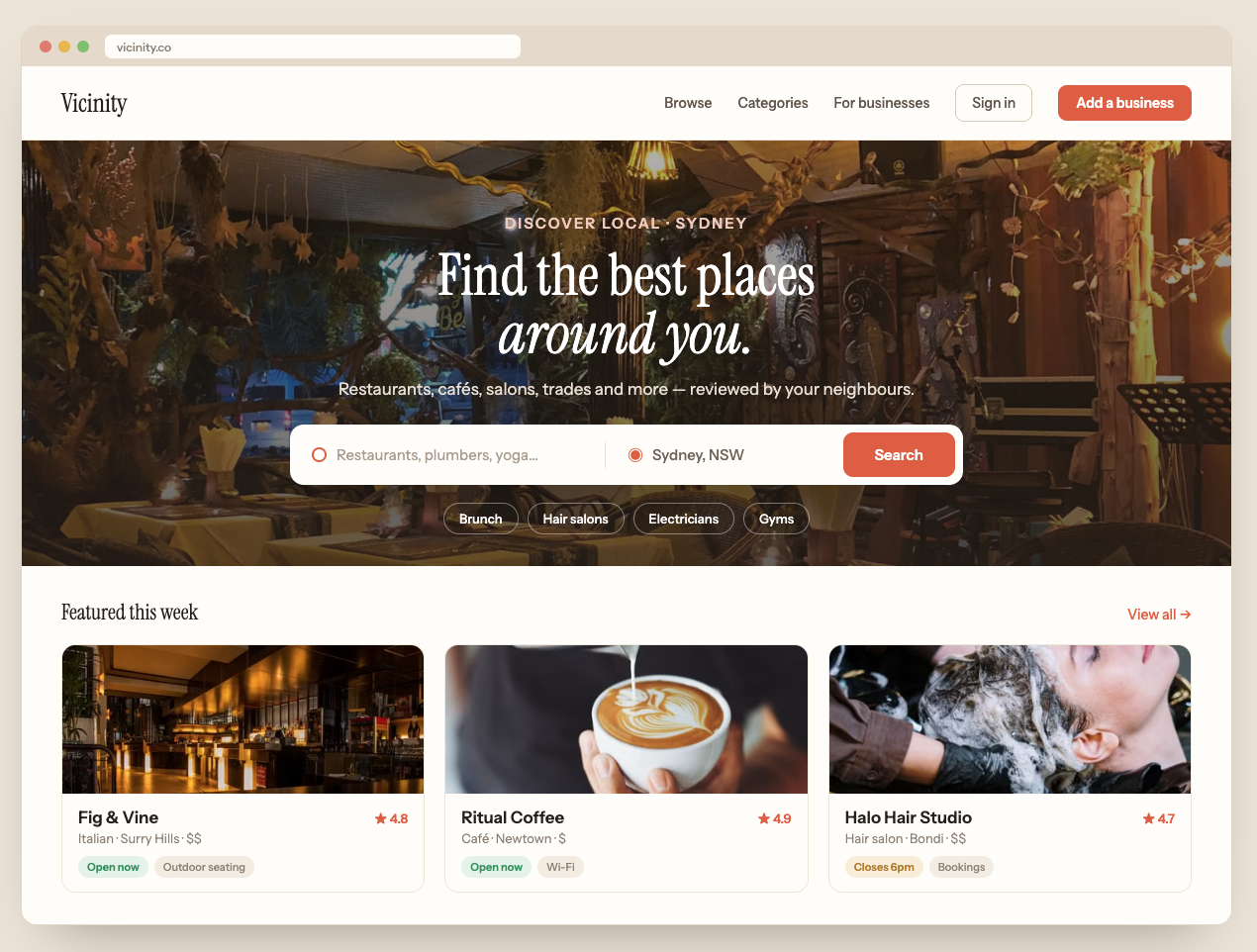
Quick refresher for anyone new to this. An online business directory is a website that lists businesses along with their name, address, phone number (the famous NAP), website, hours, photos, and usually customer reviews. Think of it as the Yellow Pages, except people actually use it.
Directories help customers find you, sure. But they also help Google trust you. When your business info shows up consistently across dozens of reputable sites, search engines take that as a signal that you’re legit. That’s why listing your business everywhere that matters is one of the cheapest wins in all of digital marketing.
One golden rule before we start: keep your NAP identical everywhere. “123 Main St.” on one site and “123 Main Street” on another might seem harmless, but inconsistencies like that genuinely hurt your local rankings.
The Big 7: Directories Every Business Needs
These are non-negotiable. Whatever you sell, wherever you are, start here.
1. Google Business Profile
The undisputed heavyweight champion. This powers the map pack in Google Search and everything in Google Maps.
Advantages: Free, massive reach, and it directly influences whether you show up when someone searches “near me.” Reviews, posts, Q&A, photos, messaging, it’s a full toolkit.
Disadvantages: Random suspensions with terrible support, spam edits from competitors, and fake review attacks are real problems you’ll need to babysit.
2. Apple Maps (Apple Business Connect)
Over a billion iPhone users get their directions here. Enough said.
Advantages: Free, less competitive than Google, and Siri pulls results from it. Claiming your listing takes minutes.
Disadvantages: Fewer management features than Google, and no native review system, so you have less control over your reputation there.
3. Yelp
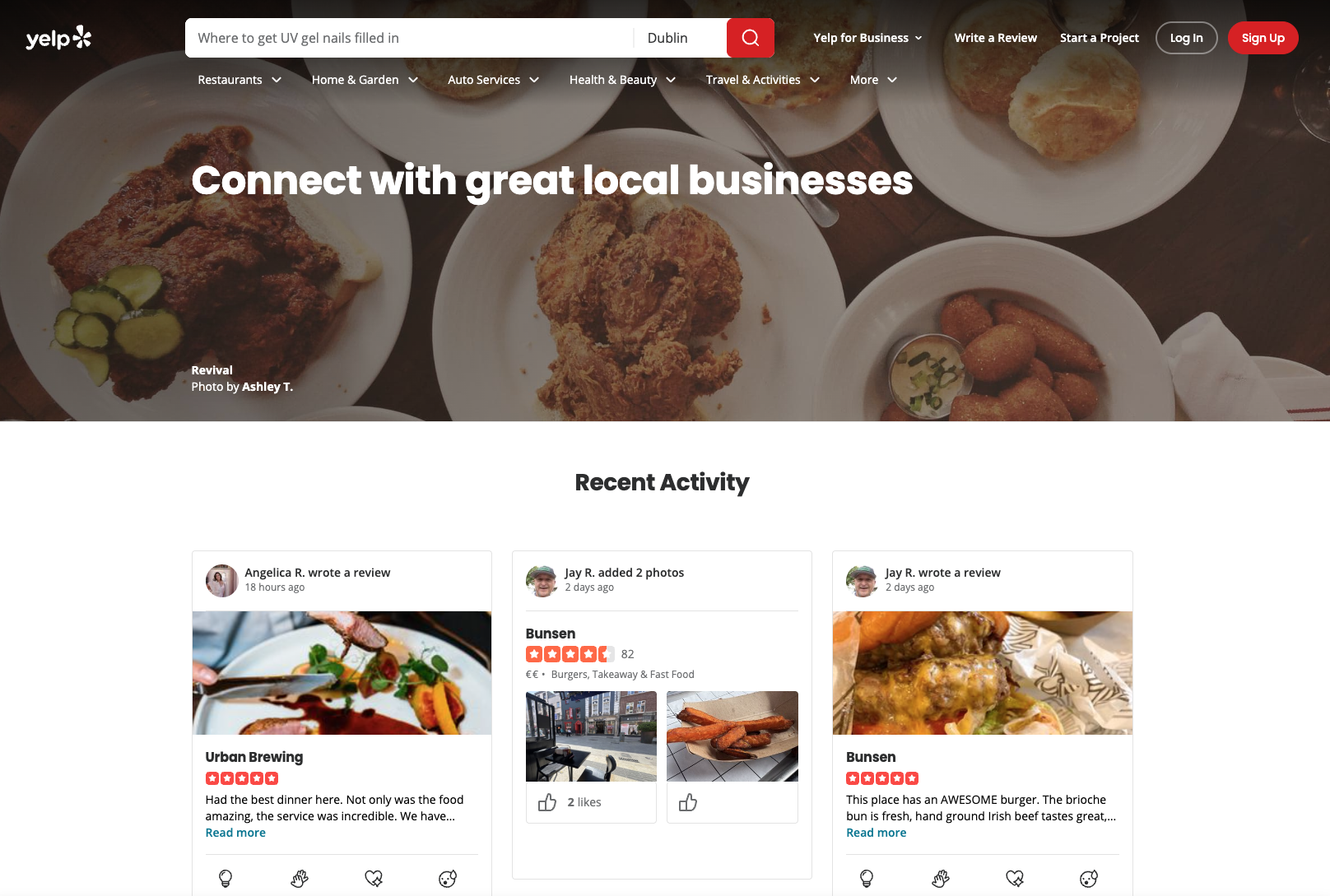
Still the review giant, especially for restaurants, services, and anything hospitality.
Advantages: Strong domain authority, listings rank well in Google, and the review volume builds serious trust.
Disadvantages: Their ad sales team will call you. A lot. And the review filter sometimes hides your best reviews for no obvious reason.
4. Facebook Business Pages
Part social network, part directory, part messaging channel.
Advantages: Free, everyone knows how to use it, and recommendations from real profiles carry weight. Direct messaging is a nice bonus.
Disadvantages: Organic reach is dead without ad spend, and an inactive page can look worse than no page at all.
5. Bing Places
The forgotten one, and that’s your opportunity.
Advantages: You can import your entire Google Business Profile in two clicks. Low competition, and Bing’s integration with Microsoft’s AI tools keeps it relevant.
Disadvantages: A fraction of Google’s traffic and a dashboard that feels a decade old.
6. LinkedIn Company Pages
Essential if you sell to other businesses.
Advantages: Great for B2B credibility, recruiting, and networking. A well-maintained page ranks for your brand name.
Disadvantages: Not useful for local consumer discovery. Nobody searches LinkedIn for a pizza place.
7. Better Business Bureau (BBB)
Over 100 years of consumer trust packed into one badge.
Advantages: That A+ rating converts skeptical customers, and the profile ranks well for branded searches.
Disadvantages: Accreditation costs money, and it drives credibility more than actual traffic.
General Directories Worth Your Time
These won’t change your life individually, but together they build a strong citation profile.
8. Yellow Pages (YP.com)
Advantages: High domain authority citation, still reaches tens of millions of monthly users, mostly older demographics with money to spend.
Disadvantages: Declining relevance, and their paid ads are overpriced.
9. Foursquare
Advantages: Its location data feeds Uber, Apple Maps, and tons of other apps, so one listing spreads everywhere.
Disadvantages: Almost nobody uses the consumer app directly anymore.
10. Yellowbook
Advantages: Easy free listing and another solid citation for your NAP profile.
Disadvantages: Low direct traffic, dated interface.
11. Superpages
Advantages: Long-established directory with decent authority, quick to submit.
Disadvantages: You won’t get many actual customers from it.
12. Whitepages
Advantages: Huge database, useful for verification, and people do check it when vetting a business.
Disadvantages: Free listing updates can take up to 60 days unless you pay.
13. MerchantCircle
Advantages: Free marketing tools and a community angle for connecting with other local businesses.
Disadvantages: Traffic has declined significantly over the years.
14. Local.com
Advantages: Covers every US zip code, easy submission.
Disadvantages: Mostly valuable as a citation, not a lead source.
15. CitySearch
Advantages: Still a recognized name for dining and entertainment listings.
Disadvantages: A shadow of its former self in terms of audience.
16. Manta
Advantages: Focused on small businesses, decent domain authority, free basic listing.
Disadvantages: Constant upsells to their paid services.
17. Hotfrog
Advantages: Simple free listing that lets you add descriptions and keywords.
Disadvantages: Minimal traffic, purely a citation play.
18. Chamber of Commerce (chamberofcommerce.com)
Advantages: Trustworthy citation with a professional look.
Disadvantages: Don’t confuse it with your actual local chamber, which is also worth joining, by the way.
Directories for Service Businesses
If you fix, clean, build, treat, or maintain things, these are where high-intent customers hang out.
19. Angi (formerly Angie’s List)
Advantages: Homeowners come here ready to hire. Verified reviews and background checks build instant trust.
Disadvantages: Paid leads get expensive, and several pros compete for each one.
20. Thumbtack
Advantages: Massive lead volume across hundreds of service categories.
Disadvantages: You pay per lead whether they hire you or not, and lead quality varies wildly.
21. HomeAdvisor
Advantages: Big audience of homeowners actively looking for contractors.
Disadvantages: Same lead-cost complaints as the others, and leads are often shared with competitors.
22. Houzz
Advantages: Perfect for anyone in home design, renovation, or architecture. Beautiful portfolio features.
Disadvantages: Very niche, and the pro subscription isn’t cheap.
23. HealthGrades
Advantages: The go-to directory for doctors, dentists, and healthcare providers, with millions of patient reviews.
Disadvantages: Healthcare only, and managing patient reviews requires care and compliance.
24. Avvo
Advantages: The dominant directory for lawyers, with ratings and Q&A features that showcase expertise.
Disadvantages: Legal professionals only, and the rating algorithm frustrates some attorneys.
25. ConsumerAffairs
Advantages: Strong for home services, finance, and big-ticket categories where buyers research heavily.
Disadvantages: Their accreditation program is pricey.
Directories for Product and Specialty Businesses
26. TripAdvisor
Advantages: If tourists might buy from you, this is gold. Travelers plan whole trips around these rankings.
Disadvantages: Irrelevant outside travel and hospitality niches.
27. Zillow
Advantages: The real estate giant. Agents get exposure to millions of active home shoppers.
Disadvantages: Real estate only, and lead programs are competitive and costly.
28. Cars.com and Edmunds
Advantages: Auto dealers get in front of shoppers who are actively comparing vehicles, complete with reviews and research tools.
Disadvantages: Automotive only, with listing fees that add up.
29. DealerRater
Advantages: Focused purely on dealer reviews, reaching millions of car shoppers monthly.
Disadvantages: Another automotive-only play.
30. The Blue Book and ConstructConnect
Advantages: The standard directories for commercial construction. Contractors and suppliers find real bidding opportunities here.
Disadvantages: Strictly for the construction industry.
31. OpenTable
Advantages: Restaurants get bookings directly, and diners trust the platform.
Disadvantages: Per-cover fees eat into margins.
32. Nextdoor
Advantages: Hyperlocal recommendations from actual neighbors. Word of mouth on steroids for local businesses.
Disadvantages: Reach is limited to your immediate neighborhoods, and you can’t control the conversation.

How to Add Your Business to Online Directories (Without Losing Your Mind)
The process is pretty similar everywhere. Here’s the playbook:
- Create a master document with your exact business name, address, phone, website, hours, description, and categories. Copy from this every single time so your NAP stays consistent.
- Start with the Big 7 listed above, then work through the general directories, then hit the niche ones for your industry.
- Complete every field. Listings with photos, descriptions, and categories filled out perform way better than bare-bones ones.
- Verify your listings. Most directories confirm by phone, email, or postcard. Annoying, but necessary.
- Set a quarterly reminder to check all listings for accuracy. Changed your hours? Update everywhere.
- Collect reviews constantly. Listings with fresh reviews rank higher and convert better. Just ask happy customers, most are glad to help.
Common Mistakes to Avoid
Let’s save you some pain. Don’t create duplicate listings on the same directory, Google especially hates that. Don’t stuff keywords into your business name field, it can get your listing suspended. Don’t ignore negative reviews, a calm professional response wins you more customers than the bad review loses. And don’t list once and forget forever, outdated info frustrates customers and kills trust.

Listings Alone Won’t Rank You (Here’s the Missing Piece)
Real talk for a second. Directory listings are the foundation of local SEO, but they’re just that, the foundation.
Getting into the top 3 map pack results and ranking your actual website takes more: on-page optimization, content, technical fixes, and quality backlinks working together month after month.
If you’d rather run your business than become a part-time SEO specialist, that’s exactly what our SEO packages are built for. We handle the keyword research, on-page work, manual backlinks, and technical stuff, then send you clear monthly reports so you can see the needle moving. No long contracts, no fluff, just real work that gets you found.
FAQs
Which business directories should I start with?
Google Business Profile first, no contest. Then Apple Maps, Yelp, Facebook, and Bing Places. Once those five are solid, expand into general directories and whatever niche sites fit your industry.
Are business directory listings free?
Most of them, yes. Google, Apple, Bing, Yelp, Facebook, and the majority of general directories offer free basic listings. Some niche platforms like Angi and Thumbtack charge for leads, and a few like BBB charge for accreditation.
How many directories should my business be listed on?
Aim for at least 20 to 30 consistent listings, prioritizing quality over quantity. The Big 7 plus your industry-specific directories will do most of the heavy lifting.
Do directory listings actually help SEO?
Absolutely. Consistent citations help Google verify your business info, which is a known local ranking factor. Plus, listings on high-authority sites often rank for your brand name and pass some link value to your site.
How long until I see results?
Listings get indexed within days or weeks, but local SEO improvement builds over 3 to 6 months as your citation profile grows and reviews accumulate. It’s a marathon, not a sprint, which is exactly why consistent monthly SEO work beats one-off bursts every time.
Wrapping It Up
There you go, 30+ of the best online business directories in 2026, and honestly more useful detail than you’ll find in most lists twice as hyped. Start with the Big 7 this week, keep your NAP consistent, collect reviews like they’re going out of style, and work through the niche directories that fit your business.
And when you’re ready to turn all those listings into actual rankings and leads, you know where to find us. Get listed, get optimized, get customers.