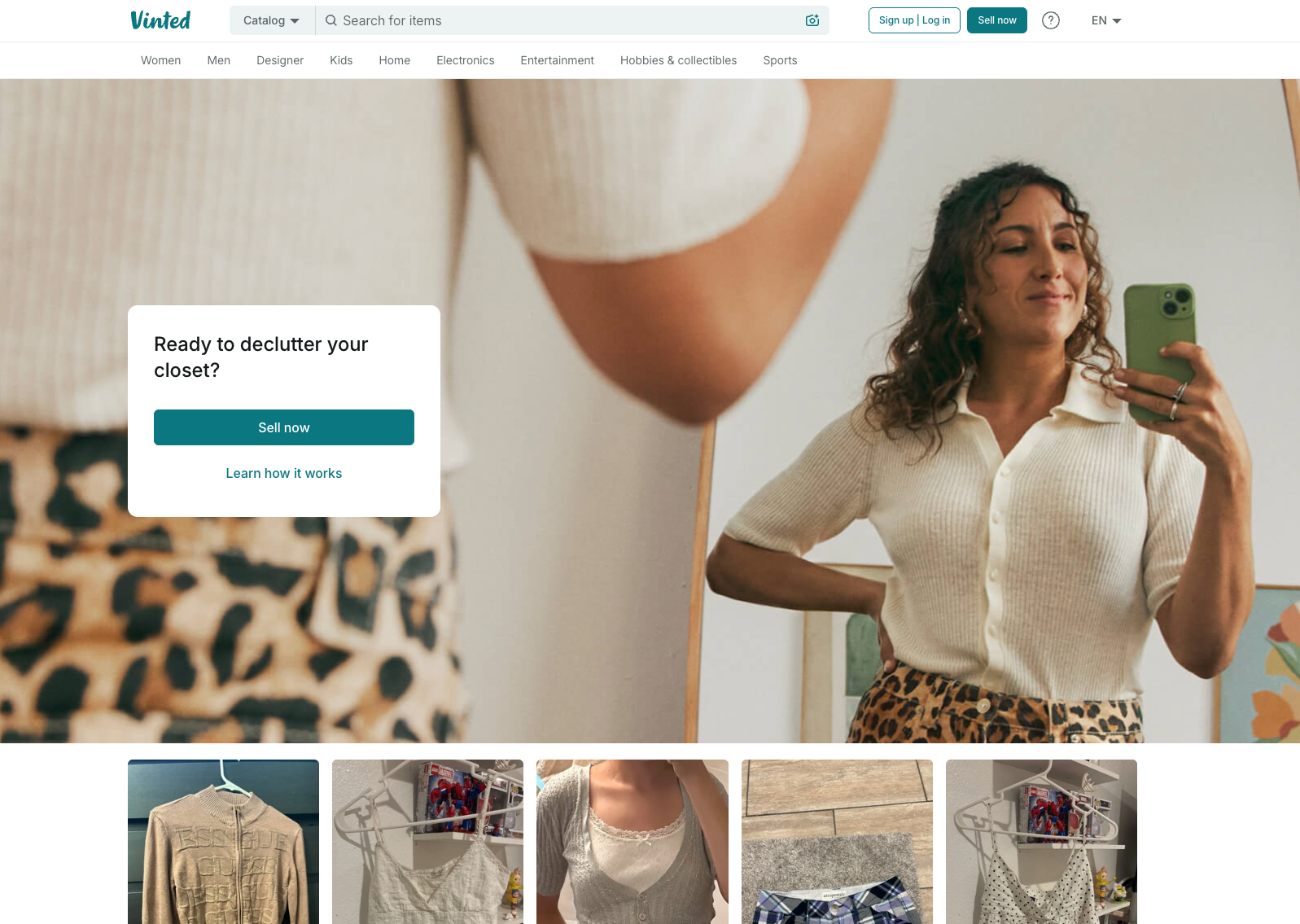
Vinted turned selling your old clothes into a two-minute job: snap a photo, list it for free, and ship it when it sells. No selling fees, buyer pays shipping — it’s easy to see why it took over Europe’s second-hand fashion scene.
But Vinted isn’t perfect for everyone.
It’s fashion-focused, buyer protection fees frustrate shoppers, prices trend low, and in some countries it’s barely present. Whether you’re a casual seller clearing out your wardrobe, a reseller hunting for better margins, or an entrepreneur eyeing the resale boom, here are the eight best sites like Vinted in 2026.
Also if you are here to get inspiration, maybe because you want to build a vinted clone, then sure, we also have an article for that, and offer those services.
Read more below to find the most interesting alternatives, and ultimately how you could even build a similar website to vinted with the help of our custom web development and design team.
Lets get started on that list:
1. Depop — Best for Trendy and Vintage Fashion
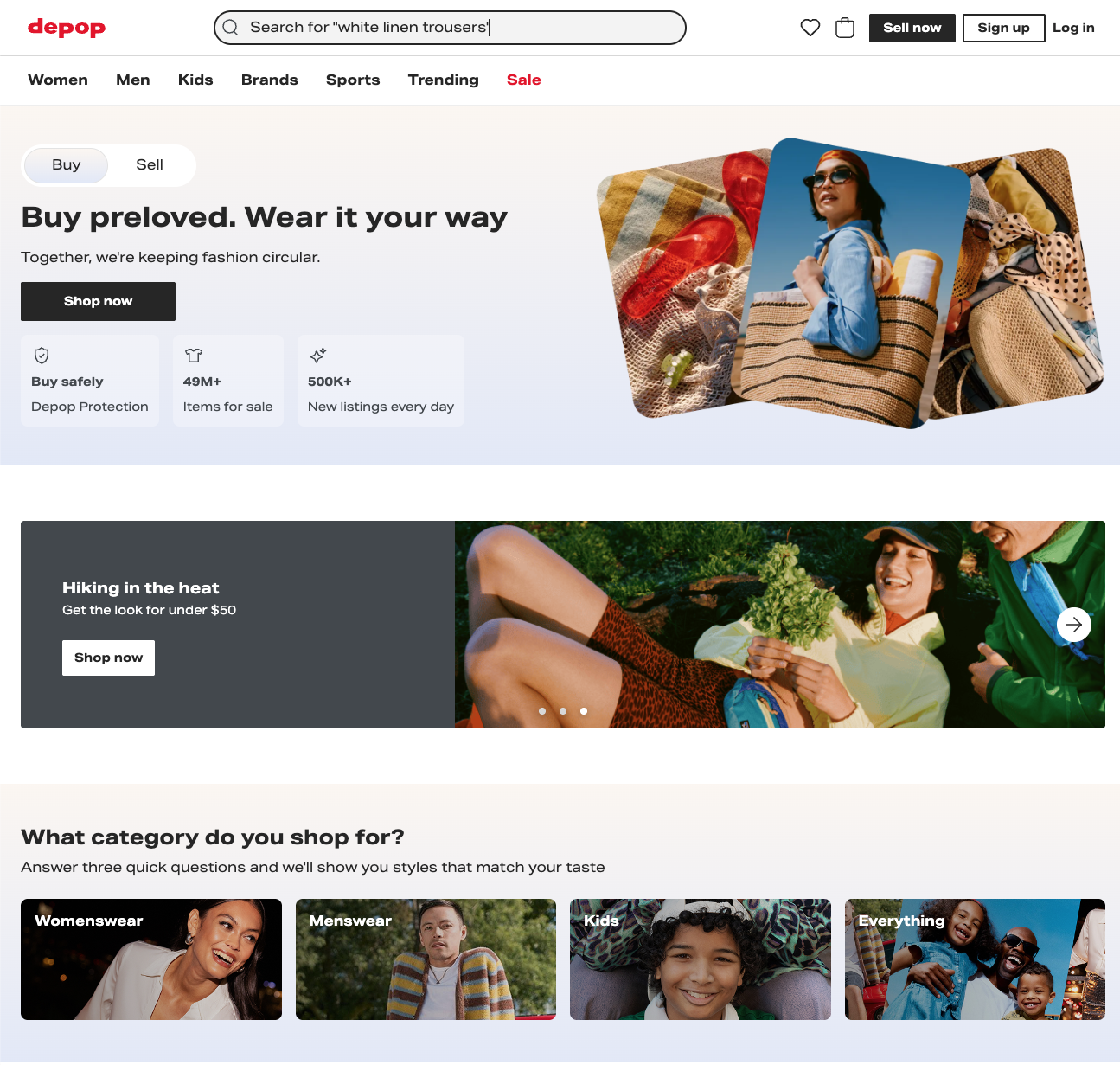
Depop is the Gen Z favorite: an Instagram-style feed of vintage, streetwear, and Y2K fashion where sellers build a following like influencers. If your wardrobe leans trendy, curated, or vintage, your items will find a much more enthusiastic audience here than on Vinted.
Advantages of Depop
- Style-driven audience — vintage, streetwear, and one-of-a-kind pieces sell for more than on generalist apps.
- Social selling — followers, likes, and a curated shop feed help good sellers build repeat buyers.
- Strong in the US and UK, filling the gap where Vinted’s presence is thinner.
- Simple mobile-first listing, very close to Vinted’s photograph-and-post flow.
Disadvantages of Depop
- Selling fees — unlike Vinted, Depop takes a cut of your sales through fees on transactions.
- Aesthetic pressure — plain, non-trendy items get little attention in the feed.
- Haggling culture — expect lots of offers and “what’s your lowest?” messages.
- Smaller audience for menswear basics and everyday clothing.
2. Poshmark — Best for US Sellers
Poshmark is the biggest Vinted-style marketplace in North America, covering fashion, beauty, and home. Its social “sharing” mechanics and virtual Posh Parties keep listings circulating, and prepaid shipping labels make sending sold items painless.
Advantages of Poshmark
- Huge US and Canadian buyer base — the go-to Vinted alternative in North America.
- Effortless shipping — every sale comes with a prepaid, pre-addressed label.
- Social features — sharing listings and Posh Parties give items repeated exposure.
- Higher average prices than Vinted for mid-range and premium brands.
Disadvantages of Poshmark
- Steep commission — Poshmark’s cut on sales is one of the highest among resale apps.
- Requires active participation — sellers who don’t share and engage see fewer sales.
- Flat shipping cost can put buyers off low-priced items.
- Limited presence outside North America.
3. eBay — Best for Reach and Everything Else
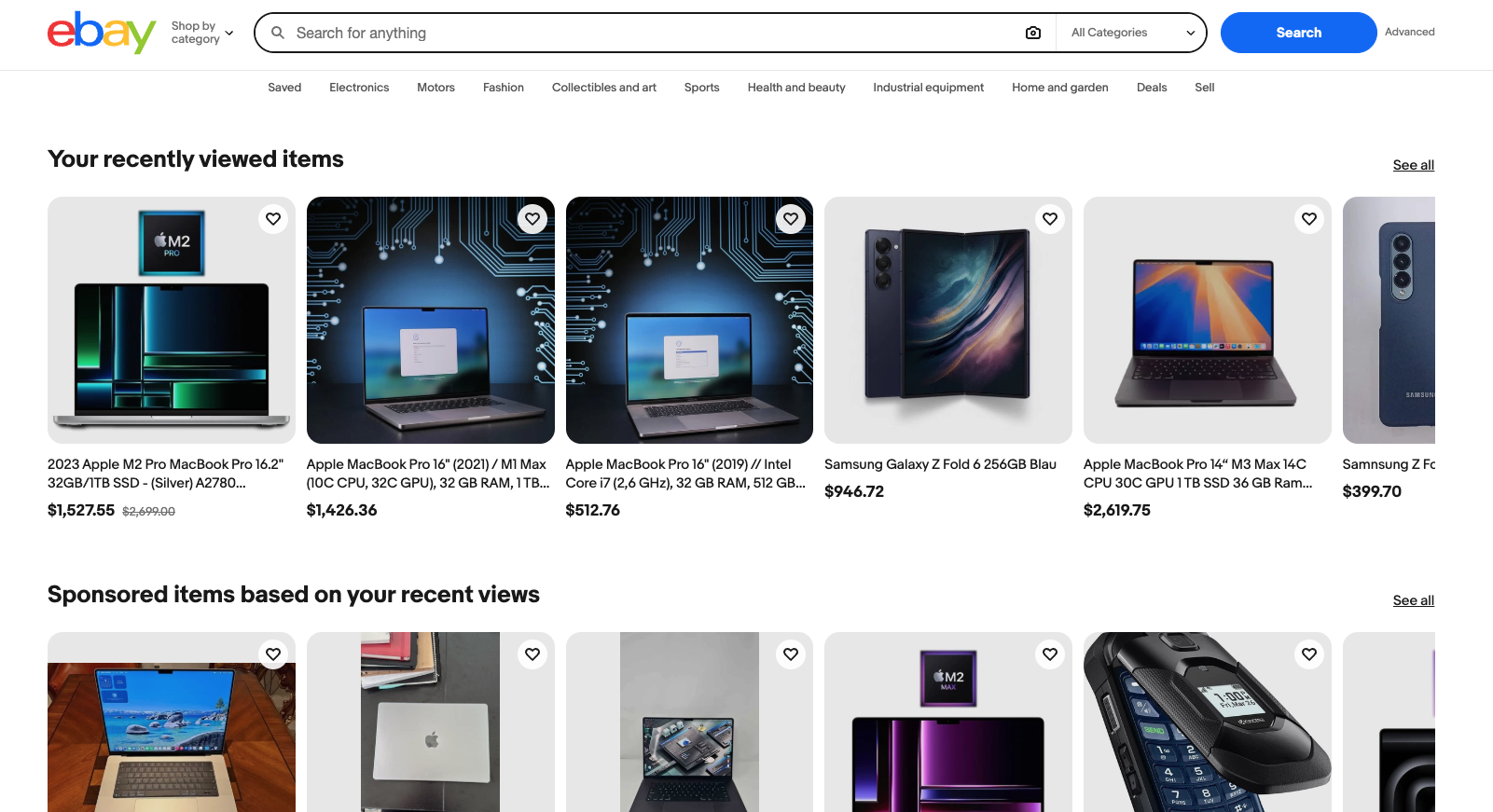
eBay remains the biggest general resale marketplace on the planet. Fashion is only part of it — electronics, collectibles, home goods, and everything in between sell here, with auctions and Buy It Now formats, plus international shipping programs that put your items in front of buyers worldwide.
Advantages of eBay
- Unmatched reach — hundreds of millions of buyers across nearly every country.
- Sell anything — not limited to fashion like Vinted or Depop.
- Auction format can push rare or sought-after items well above asking price.
- Mature seller protections and decades of dispute-resolution experience.
Disadvantages of eBay
- Fees on most sales — final value fees take a noticeable slice compared to Vinted’s free selling.
- More complex listings — item specifics, shipping options, and returns policies take time to set up.
- Impersonal experience — none of the social, community feel of Vinted or Depop.
- Competitive search results — your used jacket competes with thousands of identical listings.
4. Vestiaire Collective — Best for Designer and Luxury
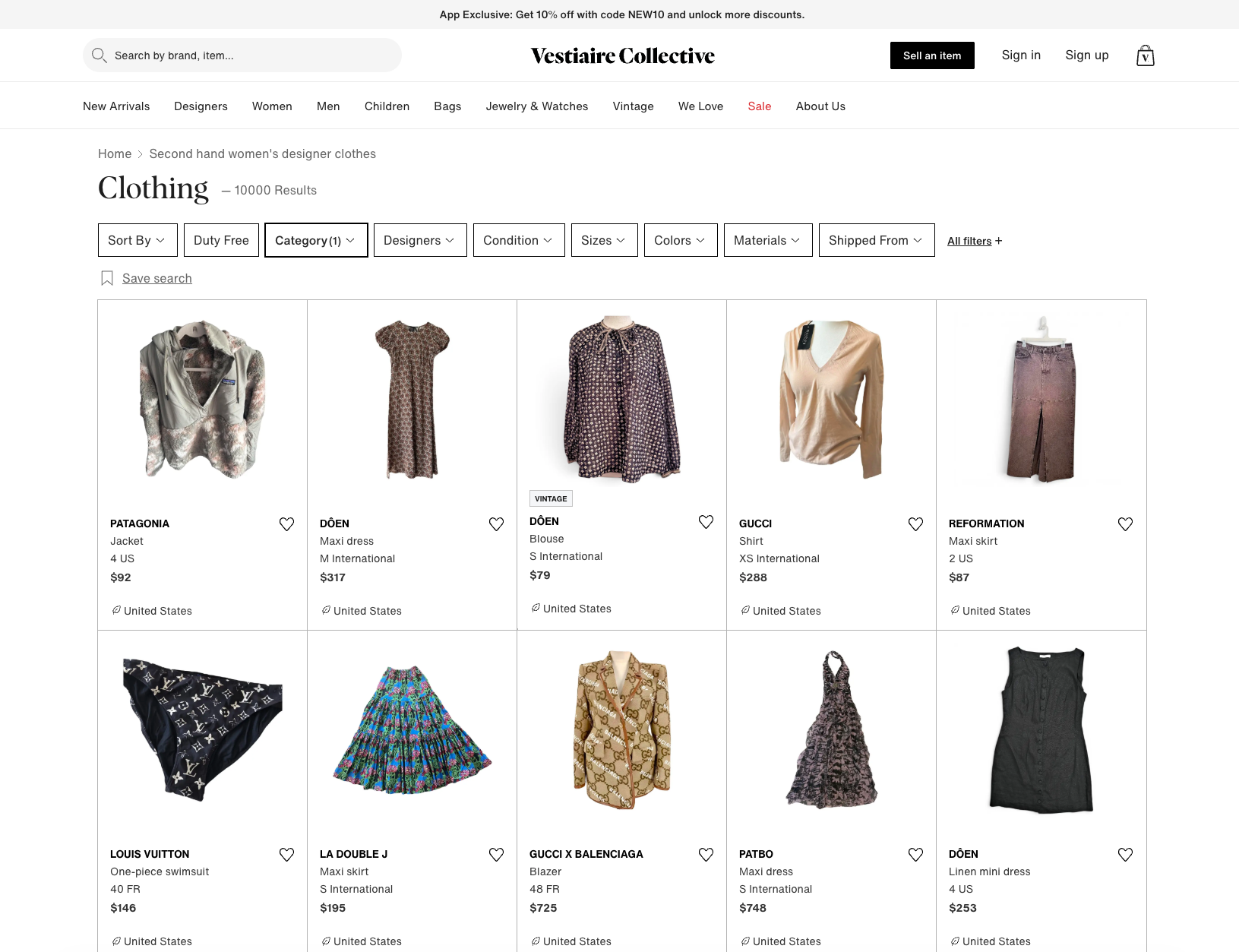
If your closet includes Gucci, Chanel, or Louis Vuitton, Vestiaire Collective is where those pieces belong. The platform authenticates luxury items, which reassures buyers and supports far higher prices than a general second-hand app ever could.
Advantages of Vestiaire Collective
- Authentication service — experts verify luxury items, killing the counterfeit fear that suppresses prices elsewhere.
- Affluent global buyer base willing to pay fair prices for designer pieces.
- International marketplace with strong presence across Europe and beyond.
- Curated feel keeps listings high quality.
Disadvantages of Vestiaire Collective
- Luxury and premium only — fast fashion and everyday brands don’t belong here.
- Commission and fees reduce your payout compared to fee-free platforms.
- Slower sales cycle — authentication and shipping add days to every transaction.
- Strict listing standards mean more effort per item.
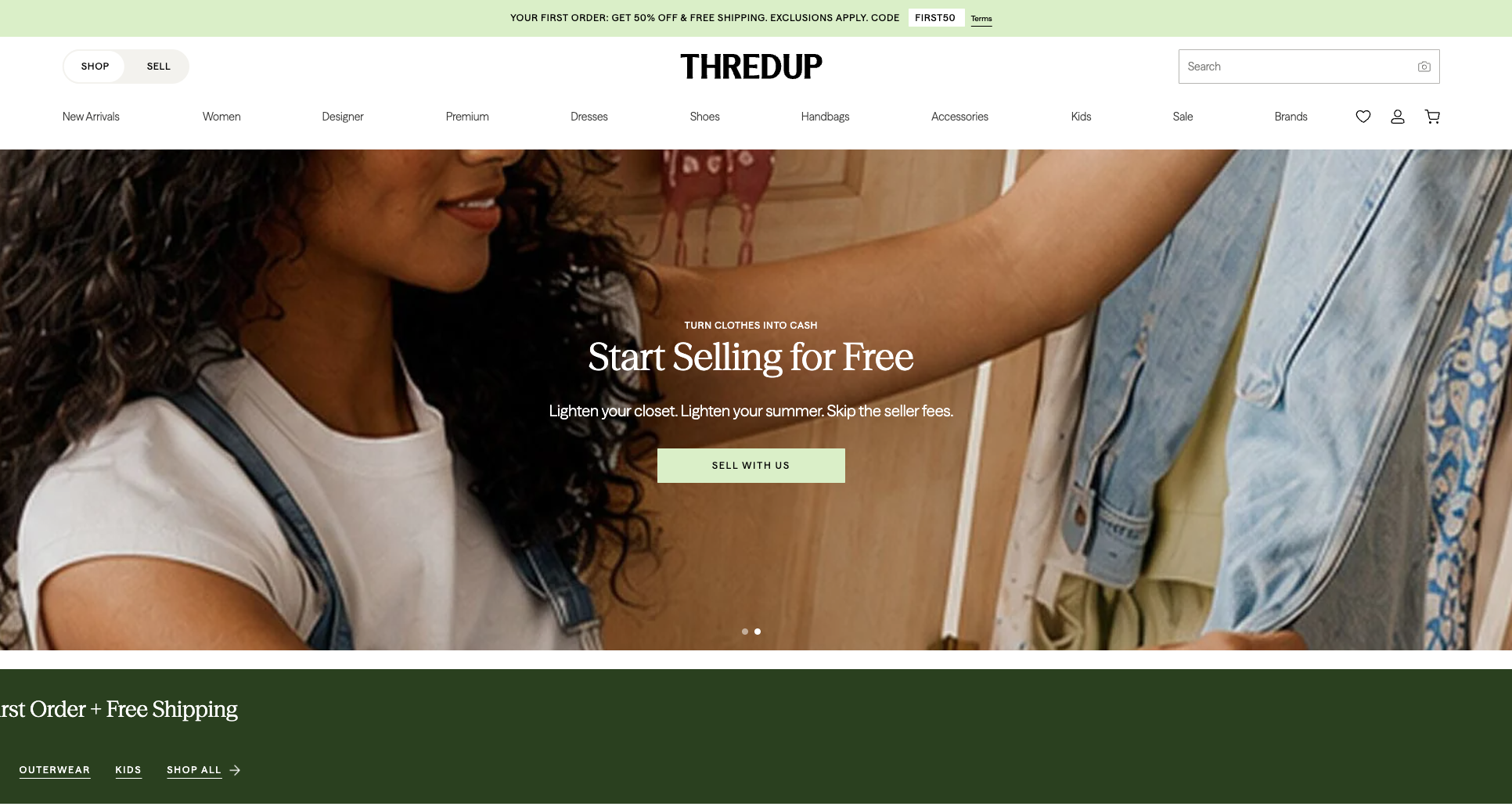
5. ThredUp — Best for Zero-Effort Selling
ThredUp flips the model: instead of listing items yourself, you order a “Clean Out Kit,” fill a bag with clothes, and send it in. ThredUp photographs, lists, prices, and ships everything on consignment. You earn less per item, but you do essentially nothing.
Advantages of ThredUp
- Zero listing work — send a bag, and ThredUp handles photos, pricing, and shipping.
- Great for bulk clear-outs — offload an entire wardrobe in one go.
- Trusted buying experience — items are inspected and professionally photographed.
- Frequent discounts attract bargain-hunting buyers year-round.
Disadvantages of ThredUp
- Low payouts — consignment rates are a fraction of what you’d get selling directly.
- No control over pricing or presentation of your items.
- Many items are rejected or recycled rather than listed.
- US-focused, with limited options for international sellers.
6. Mercari — Best for Selling Beyond Fashion
Mercari is a Japanese-born marketplace that’s big in the US and sits somewhere between Vinted and eBay: simple photo listings like Vinted, but open to almost any category — electronics, toys, home goods, and clothes alike.
Advantages of Mercari
- Any category welcome — sell your gadgets and games alongside your clothes.
- Fast, simple listing flow that feels familiar to Vinted users.
- Flexible shipping options, including prepaid labels and local pickup in some areas.
- Large, established user base in the US and Japan.
Disadvantages of Mercari
- Fee structure keeps changing — sellers have had to adapt to repeated pricing model updates.
- Lower prices — buyers come expecting bargains.
- Limited international availability — mainly a US and Japan story.
- Less fashion-focused community, so curated wardrobes get less love than on Depop.
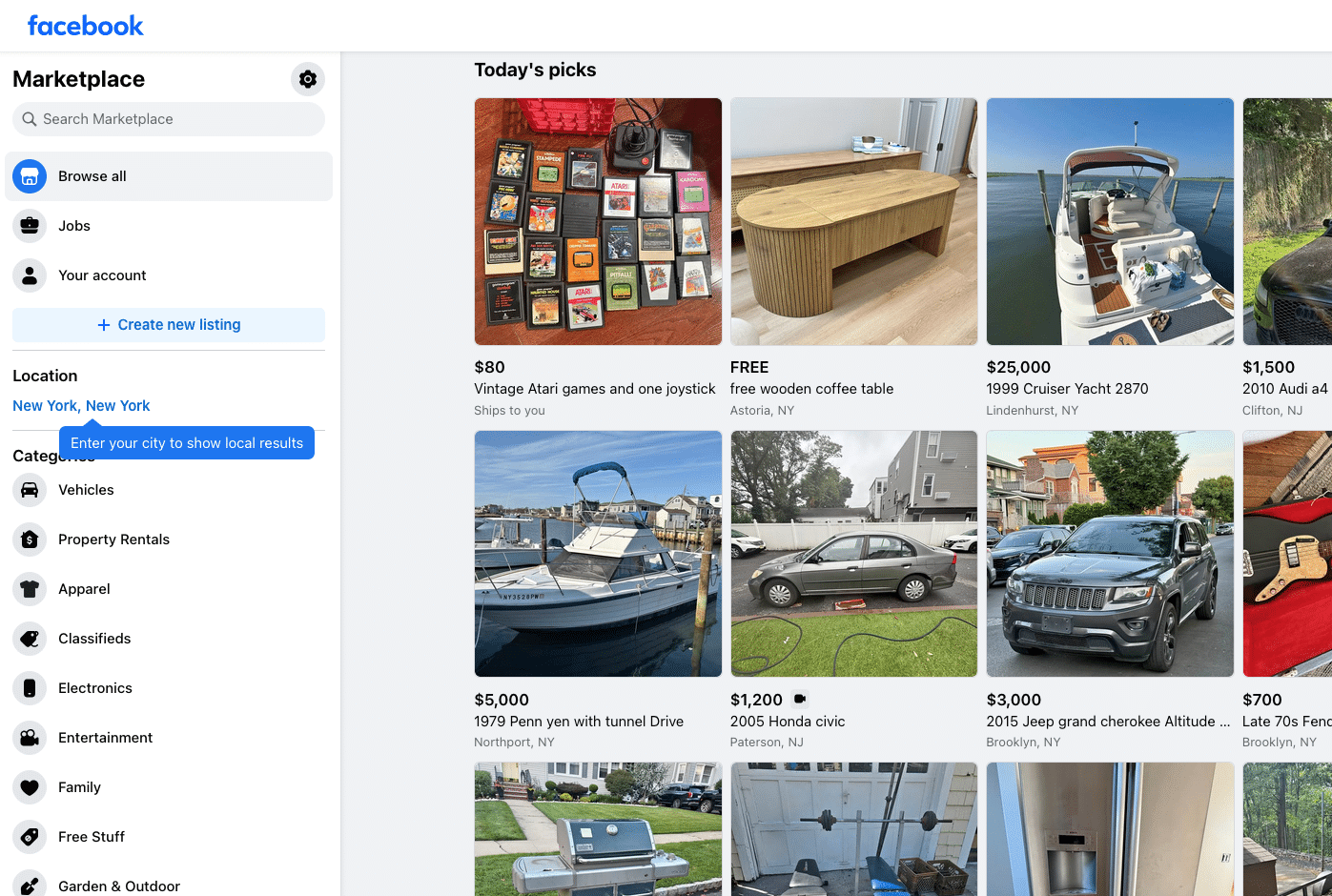
7. Facebook Marketplace — Best Free Local Option
For furniture-sized items, bulky lots, or anything you’d rather not ship, Facebook Marketplace is the fee-free local answer. Listings are free, buyers are nearby, and cash or instant-transfer deals close the same day.
Advantages of Facebook Marketplace
- No selling fees on local deals — you keep everything.
- No shipping hassle — buyers collect, which is perfect for bulky items or big clothing lots.
- Enormous built-in audience — nearly everyone already has the app.
- Same-day sales are common for well-priced items.
Disadvantages of Facebook Marketplace
- No buyer or seller protection on local cash deals.
- No-shows and lowballers are a constant annoyance.
- Weak for fashion — single clothing items rarely get attention.
- Meeting strangers requires basic safety precautions.
8. Grailed — Best for Menswear and Streetwear
Grailed is the specialist for men’s fashion: designer menswear, streetwear, sneakers, and grails (hence the name). Knowledgeable buyers mean rare pieces sell at prices that would never happen on a generalist app like Vinted.
Advantages of Grailed
- Expert menswear audience that recognizes and pays for rare or high-quality pieces.
- Strong streetwear and sneaker culture — hyped items hold their value here.
- Offer system lets sellers negotiate from a position of knowledge.
- Moderated listings keep obvious fakes and junk out of the feed.
Disadvantages of Grailed
- Menswear only — womenswear sellers need to look elsewhere.
- Commission on sales, unlike Vinted’s free selling.
- Niche audience — everyday clothing brands get little traction.
- Price haggling is the norm, so expect negotiation on almost every sale.
Quick Comparison
| Site | Best for | Seller fees |
|---|---|---|
| Depop | Vintage & trendy fashion | Fees on sales |
| Poshmark | US & Canada sellers | High commission |
| eBay | Maximum reach, any category | Final value fees |
| Vestiaire Collective | Designer & luxury | Commission + fees |
| ThredUp | Zero-effort clear-outs | Consignment split |
| Mercari | Mixed categories | Varies |
| Facebook Marketplace | Free local sales | Free (local) |
| Grailed | Menswear & streetwear | Commission |

Want to Build Your Own Site Like Vinted?
Here’s the bigger picture: second-hand commerce is one of the fastest-growing segments of e-commerce, and Vinted’s model — free peer-to-peer listings, buyer-paid protection fees, and a platform commission — is a proven marketplace formula.
Every site on this list succeeds by owning a niche Vinted doesn’t serve perfectly: luxury, menswear, local deals, a single country. That gap is your opportunity.
The good news is that you don’t need a startup-sized budget to enter it. Our marketplace WordPress theme for sellers gives you the complete peer-to-peer marketplace toolkit out of the box: seller profiles, listings, secure payments, reviews, private messaging, and admin commissions for you as the site owner — no coding required.
You can also browse all of our marketplace WordPress themes, or if you’d rather have it built for you, our team handles custom WordPress development end to end. Get in touch and tell us about your marketplace idea.

Frequently Asked Questions
What is the best site like Vinted?
It depends on what you sell. Depop is best for trendy and vintage fashion, Poshmark is the strongest option in North America, Vestiaire Collective wins for luxury, and eBay offers the biggest overall reach. For local, fee-free selling, Facebook Marketplace is hard to beat.
Which Vinted alternative has no selling fees?
Facebook Marketplace charges nothing on local deals, making it the only truly fee-free option on this list. Every dedicated resale platform — Depop, Poshmark, eBay, Mercari, Grailed — takes fees or commission from sellers, which is exactly why many sellers start on Vinted.
What is better than Vinted for luxury and designer items?
Vestiaire Collective. Its authentication service verifies designer pieces before delivery, which builds buyer trust and supports much higher prices than an unauthenticated marketplace can.
Is there a Vinted alternative in the US?
Vinted operates in the US, but Poshmark, Depop, and Mercari all have much larger American user bases. If you’re selling to US buyers, Poshmark is generally the closest full replacement.
Can I create my own marketplace like Vinted?
Yes — and niche resale marketplaces (one country, one category, one community) are where the opportunity is biggest right now. With SiteMile’s marketplace WordPress theme you get seller listings, payments, reviews, messaging, and admin commissions ready out of the box, so you can launch in days instead of months.
The Bottom Line
The best site like Vinted comes down to your closet and your goals: Depop for vintage, Poshmark in the US, Vestiaire Collective for designer labels, ThredUp when you can’t be bothered, and Facebook Marketplace when you refuse to pay fees. And if you keep spotting a niche none of them serves well — that’s not a problem, that’s a business idea.