TLDR: With SiteMile, a marketplace MVP website starts from $3,500. A complete setup with website plus native iOS and Android apps runs $5,500–$6,000, and complex custom implementations go up to $50,000. Timeline: roughly 4–12 weeks from kickoff to live.
A conventional agency building the same platform from scratch will quote $40,000–$300,000 and 6–12 months. This guide explains where that enormous gap comes from — and how to decide what your project actually needs.
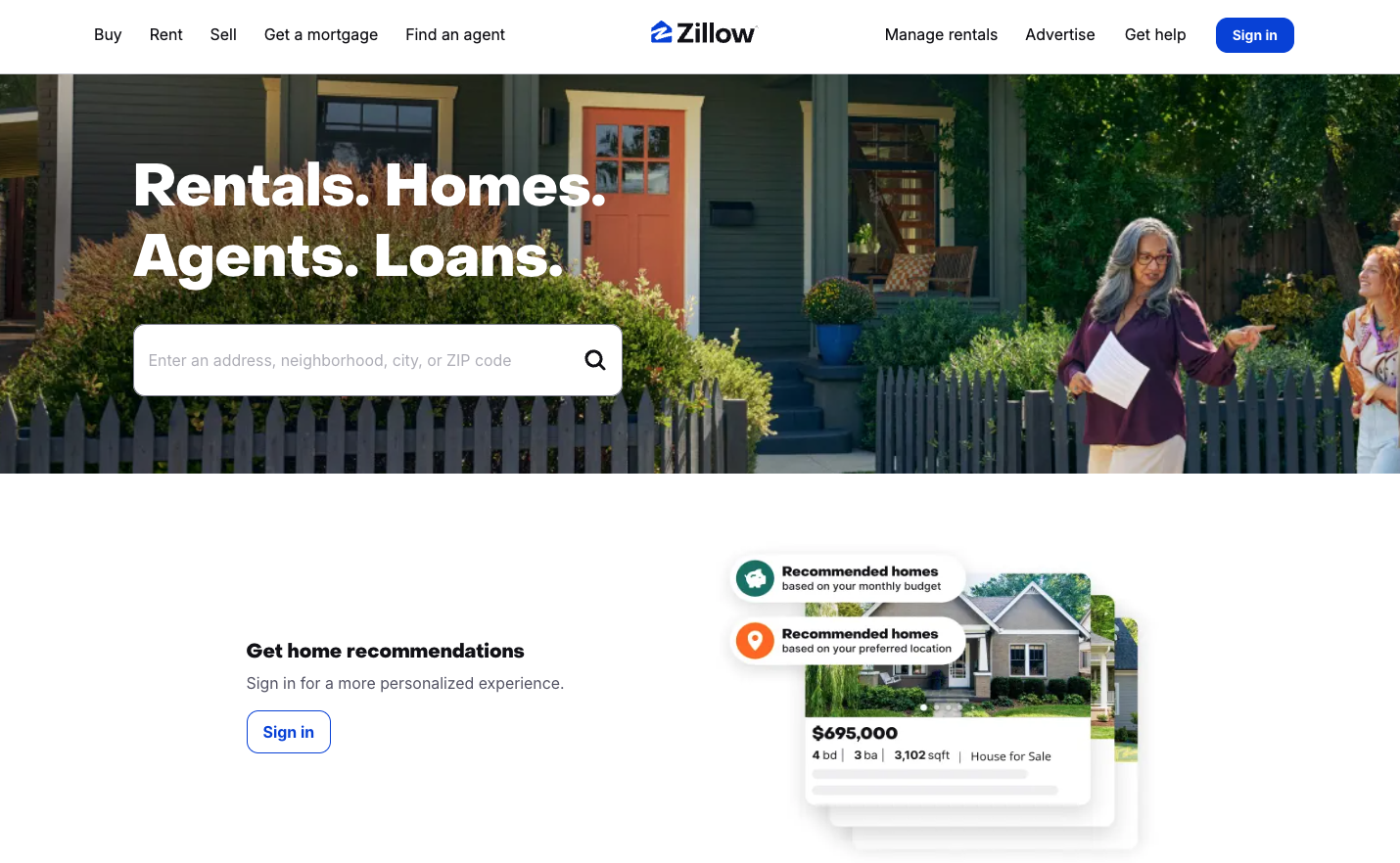
If you’ve been researching marketplace app development cost, you’ve probably noticed something strange: the quotes are all over the map. One agency says $50,000 minimum. Another says a quarter of a million. Then you find pricing like ours and wonder what the catch is.
There’s no catch — there are just two completely different ways to build a marketplace, and most cost guides only tell you about the expensive one. This article breaks down real costs by tier and marketplace type, the factors that move your price up or down, the ongoing costs most founders forget to budget, and the honest answer to why our builds cost a fraction of the industry standard.
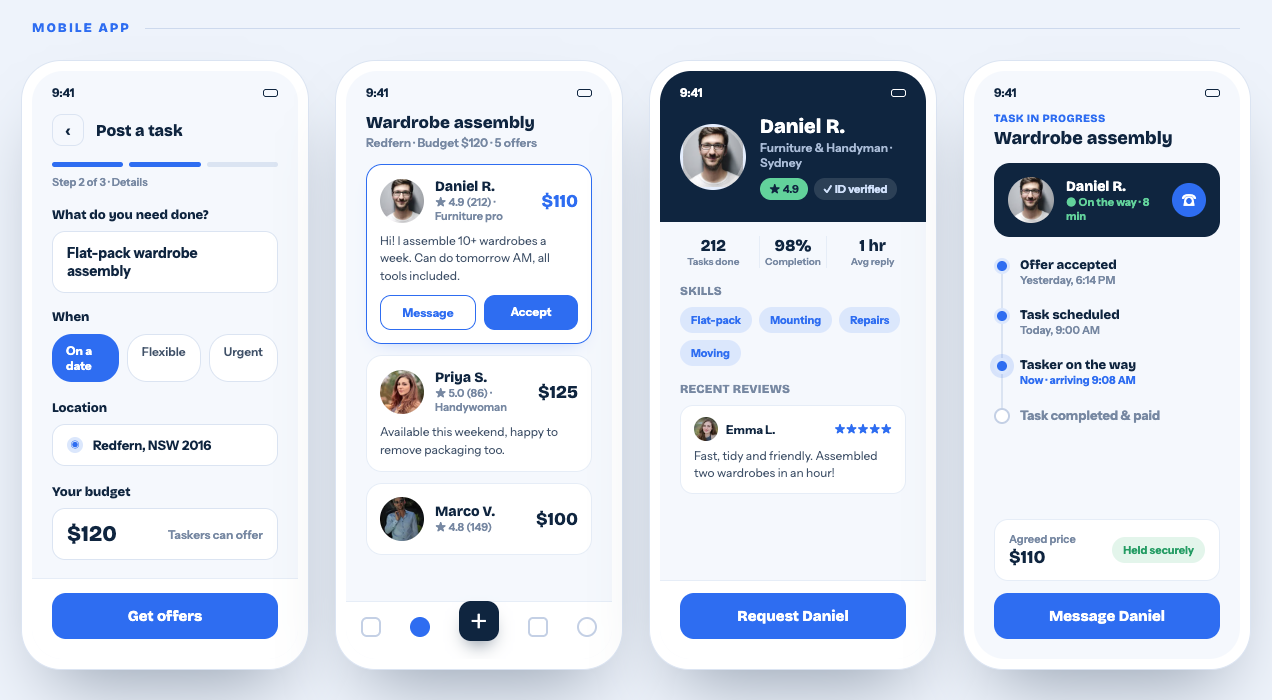
Marketplace app cost by tier
MVP website — from $3,500
This is the validate-your-idea option: a fully functional marketplace website with user registration, listings or task posting, search and filters, secure payments, messaging, reviews, and an admin panel with commission controls.
It’s built on our proven WordPress marketplace stack, customized with your branding, categories, and fee model.
Who it’s for: founders who want to test whether their market wants this before committing serious capital. You can be live in a few weeks and taking real transactions.
Website + native mobile apps — $5,500–$6,000
Everything in the MVP tier plus native iOS and Android apps built with React Native and published to both app stores, running on a Laravel PHP backend. For most marketplace models the apps matter more than founders expect — your supply side (sellers, taskers, service providers) lives on their phones, and push notifications about new nearby jobs or orders are the biggest driver of fast responses.
Who it’s for: founders who already have some validation, funding, or a market where mobile-first is non-negotiable.
Complex custom implementations — up to $50,000
Custom matching algorithms, tiered commission engines, background-check and KYC integrations, multi-region and multi-language setups, insurance workflows, custom analytics. The ceiling depends entirely on your specification — which is why this tier always starts with a discovery call and ends with a fixed quote.
Who it’s for: funded startups and existing businesses with a firm spec and specific operational requirements.
Full source code is handed over at every tier, and we work in milestones — never 100% upfront.
Cost by marketplace type
Not all marketplaces cost the same, because the transaction flow dictates the feature set. Here’s how the main models compare:
Task-bidding marketplaces (Airtasker model). Customers post a task with a budget; providers bid; payment is held and released on completion. Needs an offer/bidding system, escrow-style payments, and a two-sided review system. This is one of our most requested builds — see our full Airtasker clone breakdown for the model-specific details.
Direct booking marketplaces (TaskRabbit model). Customers browse providers with hourly rates and book directly. Simpler than bidding (no auction logic) but needs availability calendars and scheduling. Here’s how we approach a TaskRabbit clone with WordPress.
Lead-generation marketplaces (Thumbtack model). Customers describe a job; matched professionals pay to respond. The payment architecture is completely different — pros buy credits or subscriptions rather than customers paying through the platform. We’ve covered whether you can launch a Thumbtack clone with WordPress in a dedicated guide.
Product marketplaces (multi-vendor stores). Multiple sellers list physical or digital products under one storefront. Needs vendor dashboards, inventory, shipping logic, and commission splitting — a different feature stack from service marketplaces, though the pricing tiers above still apply.
The type you choose affects cost less than you’d think within our stack (because the core flows are already built for each model) — but it dramatically affects cost in a from-scratch build, where every flow is coded from zero. Industry guides typically price peer-to-peer platforms at $40,000–$120,000 and multi-vendor product marketplaces at $50,000–$150,000 when built conventionally.
The factors that actually move your price
1. Web only, or web + mobile apps? Adding native apps is the single biggest jump between our tiers. The apps roughly double the surface area: separate builds, app store review processes, push notification infrastructure, and ongoing update obligations for both iOS and Android.
2. Tech stack: WordPress vs. Laravel vs. custom. For a website MVP, WordPress with our purpose-built marketplace themes is the fastest and most affordable route — the hard problems (bidding, payments, messaging, reviews) are already solved, so your budget goes into customization rather than reinvention.
For builds that include native apps or heavy custom logic, we develop on Laravel PHP with an API-first architecture. And some projects land in between: a WordPress core with custom-coded modules for the one or two pieces your model genuinely needs to be unique. The right answer depends on your feature list, not on platform ideology.
3. Feature depth. The core marketplace loop is included at every tier. What adds cost is the layer on top: AI-powered matching, tiered commission engines, multi-currency support, custom verification flows, third-party integrations (background checks, insurance, accounting). Conventional agencies price these at thousands of dollars per feature; in our builds they’re scoped individually in the discovery call.
4. Design: themed vs. fully custom. A professionally customized theme (your brand, colors, layout adjustments) is included in the MVP price. Ground-up custom UI/UX design is a complex-tier item — and honestly, at the validation stage, it’s rarely where your money should go. Users trust clean and familiar over novel and clever.
5. Integrations and compliance. Payment gateways beyond the standard ones (Stripe, PayPal), regional payment methods, POS integrations, GDPR tooling, and marketplace tax compliance features all add scoped cost. If you’re launching in a regulated vertical or across multiple countries, raise it in the discovery call — it changes the architecture.
The costs nobody puts in the headline
Here’s where we’d rather be honest than cheap-looking, because these numbers matter more than the build quote:
Maintenance: 15–20% of build cost per year. That’s the industry rule of thumb, and it’s accurate — security updates, bug fixes, performance work, and compatibility updates when iOS and Android change. On a $6,000 build that’s roughly $900–$1,200/year; on a $100,000 agency build it’s $15,000–$20,000/year. The cheaper your build, the cheaper it is to keep alive. We offer maintenance plans, or your own team can take over — you have the full source code either way.
Hosting and infrastructure. A marketplace MVP runs comfortably on hosting costing tens of dollars per month; scale changes that gradually, not suddenly. App store fees add a $99/year Apple Developer membership and a one-time $25 Google Play fee.
Marketing and user acquisition — the big one. Industry data suggests marketplace startups often need to spend two to three times their development cost on user acquisition in the first year. Read that again, because it’s the strongest argument in this entire article for building lean: if you spend $100,000 on development, the math says you need $200,000+ for growth.
If you spend $6,000 on development, your growth budget survives. The “build it and they will come” approach is the top reason marketplace startups fail — your marketplace dies not from missing features but from empty categories. Budget accordingly, and spend the money you save on development recruiting your supply side.
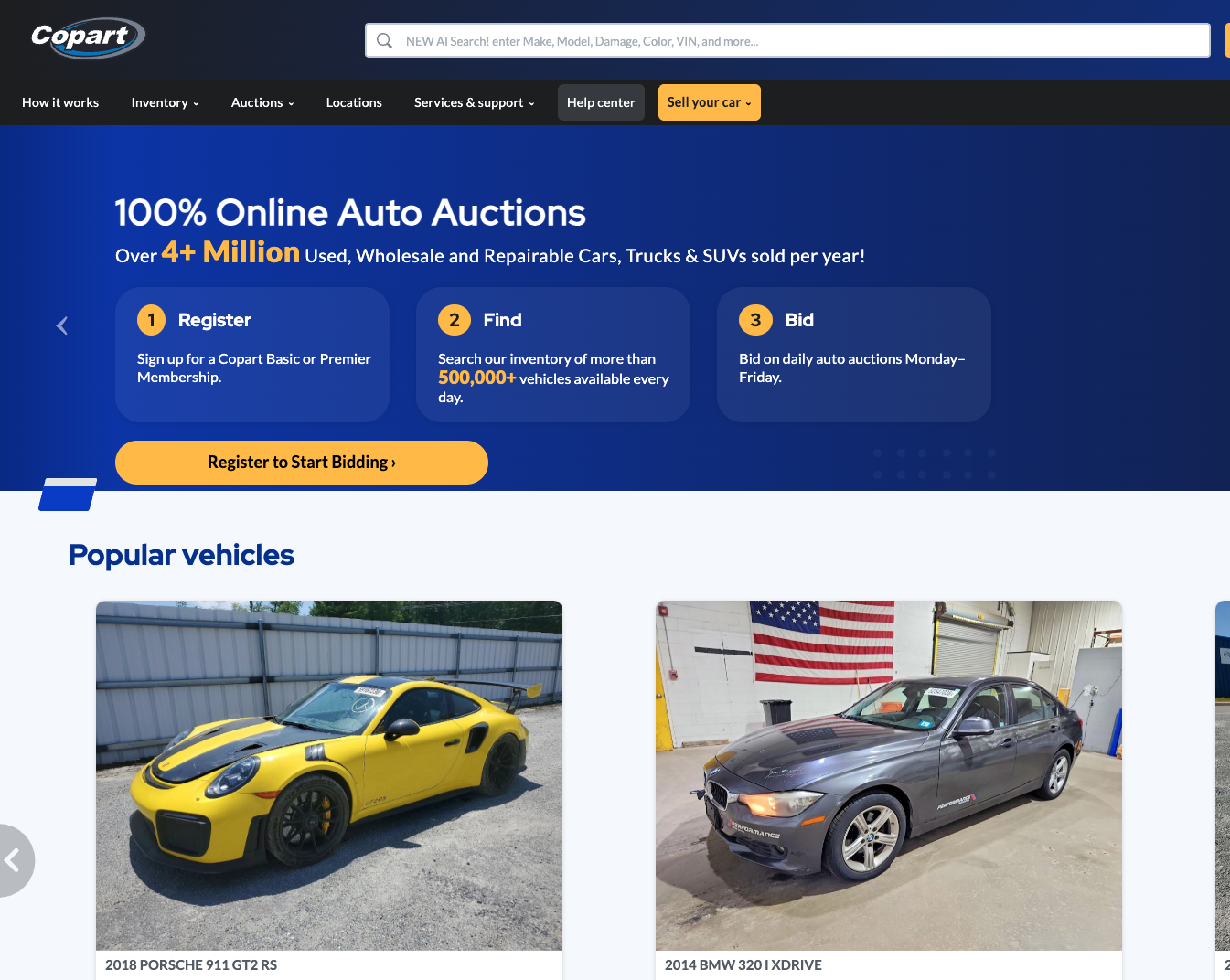
From-scratch agency vs. ready-made stack: the honest comparison
| From-scratch agency | SiteMile stack | |
|---|---|---|
| MVP website | $40,000–$60,000+ | from $3,500 |
| Website + iOS + Android | $80,000–$150,000+ | $5,500–$6,000 |
| Complex/enterprise | $150,000–$300,000+ | up to $50,000 |
| Timeline to launch | 6–12 months | 4–12 weeks |
| Source code ownership | Usually yes | Yes, every tier |
| Ongoing maintenance (yearly) | 15–20% of build | 15–20% of build |
Why the gap? A from-scratch build pays developers to solve problems that have already been solved a hundred times: bidding systems, escrow payments, messaging, review logic. A ready-made stack means those problems are already engineered and battle-tested across live marketplaces — you pay for customization, branding, and your specific business logic, not for reinventing the wheel.
When does from-scratch make sense? Genuinely: when your core differentiator is technical (a novel matching algorithm, unusual transaction mechanics) and you have the funding to support 6+ months of development plus the user acquisition budget on top. For everyone else — which is nearly everyone at the validation stage — the lean route wins, because the marketplace graveyard is full of beautifully engineered platforms that ran out of money before finding liquidity.
How long does it take?
An MVP website typically launches in a few weeks. Adding native apps extends the timeline mostly due to app store review cycles — plan for 4–12 weeks total from kickoff to live apps depending on scope. Compare that with the 6–12 months a conventional build takes, and remember that every month before launch is a month of real market feedback you’re not getting.
How to keep your costs down (without regretting it)
- Launch web-first if your model allows it. Validate with the $3,500 website, add apps when traction justifies them.
- Start with one city or one category. A focused launch needs fewer features (no multi-region logic, no complex category trees) and dramatically less marketing spend to reach liquidity.
- Ship the core loop, defer the rest. Post → respond → transact → review. AI matching, tiered commissions, and insurance integrations are all better built after real usage data tells you what your market wants.
- Don’t pay for custom design at MVP stage. Brand customization on a proven layout converts fine. Redesign from revenue, not from savings.
- Reserve 2–3x your build cost for growth. The cheapest development in the world is wasted if nobody’s on the platform.
If you want the full strategic picture beyond costs — positioning, features, and the launch playbook — our guide on how to build an Airtasker app covers the process end to end, and our roundup of sites like Airtasker shows you the competitive landscape you’d be entering.
Frequently asked questions
How much does it cost to build a marketplace app?
With SiteMile: from $3,500 for an MVP marketplace website, $5,500–$6,000 for a website plus native iOS and Android apps, and up to $50,000 for complex custom implementations. Conventional from-scratch agency builds for the same scope typically run $40,000–$300,000.
Why are your prices so much lower than other agencies?
Because we don’t build from scratch. Our marketplace stack — WordPress themes for MVP builds, Laravel + React Native for app builds — already solves the hard, universal problems: bidding, payments, messaging, reviews, admin controls. You pay for customization and your specific business logic, not for re-engineering solved problems. You still receive full source code.
Is WordPress really enough for a marketplace?
For a website MVP, yes — and it’s usually the smartest starting point. Purpose-built marketplace themes handle the full transaction loop in production on live marketplaces today. When you need native apps or heavy custom logic, we move to a Laravel build. Many successful projects start on WordPress, validate, and reinvest in the Laravel version from revenue.
What are the ongoing costs after launch?
Budget 15–20% of your build cost per year for maintenance, plus hosting (modest at MVP scale), app store fees ($99/year Apple, $25 one-time Google), and — most importantly — a serious user acquisition budget. Industry benchmarks put first-year marketing at 2–3x development cost for marketplace startups.
How long until my marketplace is live?
A few weeks for an MVP website; 4–12 weeks total for a build that includes native iOS and Android apps, with app store review accounting for part of that.
Do I own the code?
Yes. Full source code is handed over at every tier, and we work in milestones rather than large upfront payments.
Get an exact number for your project
Ranges are useful; a fixed quote is better. Tell us your marketplace model, your must-have features, and your launch market, and we’ll map it to an exact figure and timeline — including our honest recommendation on WordPress vs. Laravel for your specific case.
Browse our marketplace app development services for more detail on how we work, or get in touch with our team and let’s scope your build.